Precision engineering in digital product design
Methodologies for creating scalable and intuitive user experiences
 NoScope Studio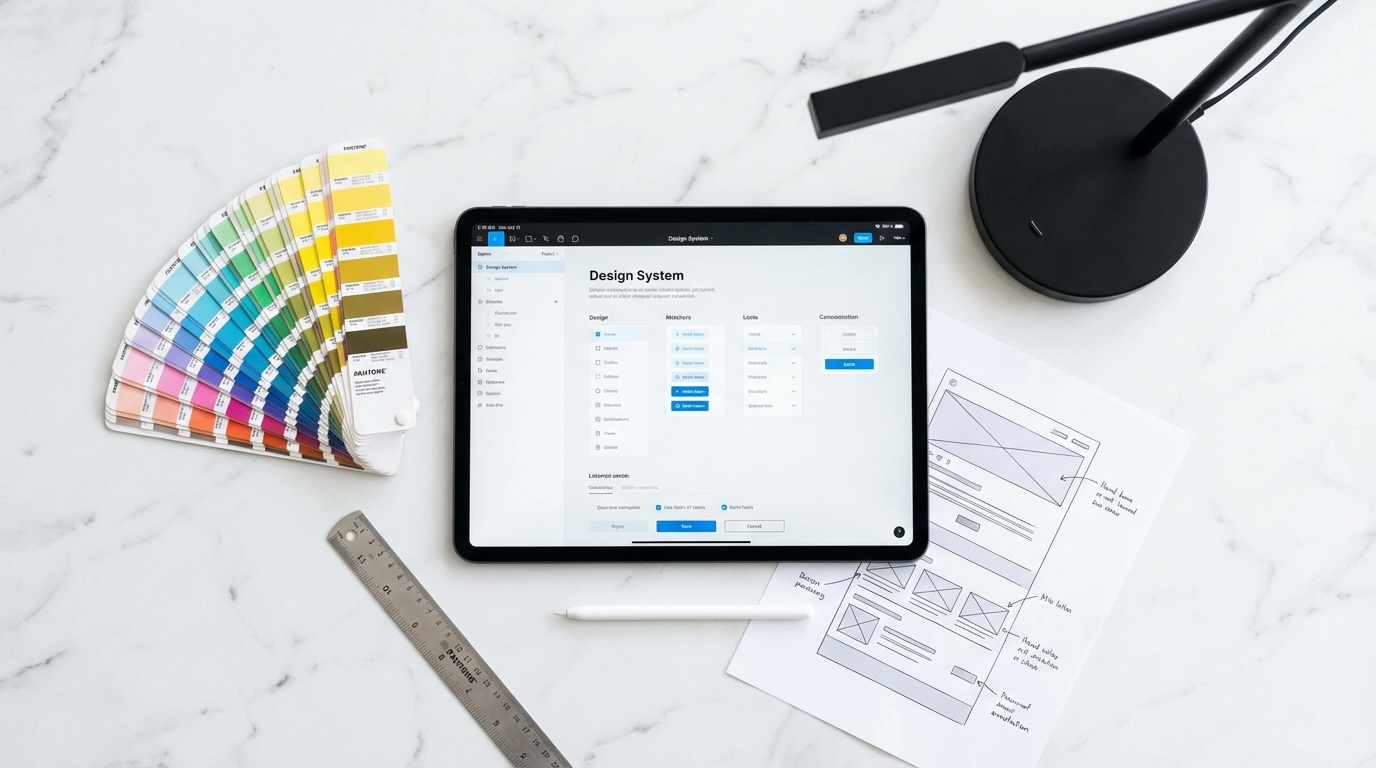
Digital product design has evolved beyond aesthetics. Today’s successful products are engineered with the same precision as the code that powers them. Every interaction, every animation, every pixel serves a purpose.
The Precision Mindset
Precision in design means eliminating waste. Not just visual clutter, but cognitive waste — the mental effort users expend figuring out how to accomplish their goals. Every unnecessary element, every ambiguous label, every extra click represents friction that degrades the user experience.
This mindset requires rigorous testing and iteration. Assumptions about user behavior must be validated with data. Design decisions should be defensible with evidence, not just intuition.
“The best interfaces are invisible. Users should focus on their goals, not on the tool they’re using to achieve them.”
Building for Scale
Scalable design isn’t just about handling more users. It’s about building systems that remain coherent as products grow in complexity. Design systems, component libraries, and clear documentation ensure consistency across teams and over time.
The investment in systematic design pays dividends as products mature. New features integrate seamlessly. Onboarding new designers becomes faster. Technical debt in the design layer — inconsistent patterns, one-off components — stays manageable.
The User at the Center
Precision engineering in design keeps the user at the center of every decision. This means deep understanding of user needs, contexts, and constraints. It means designing for accessibility from the start, not as an afterthought.
User research isn’t a phase that ends. It’s an ongoing practice that informs continuous improvement. The best product teams maintain constant feedback loops with their users, treating every release as an opportunity to learn.
Measuring What Matters
Precision requires measurement. But not all metrics are created equal. Vanity metrics — page views, time on site — can obscure what really matters: whether users are accomplishing their goals efficiently and effectively.
Task success rates, error rates, and user satisfaction scores provide clearer signals about design quality. Combined with qualitative research, these metrics guide meaningful improvements.